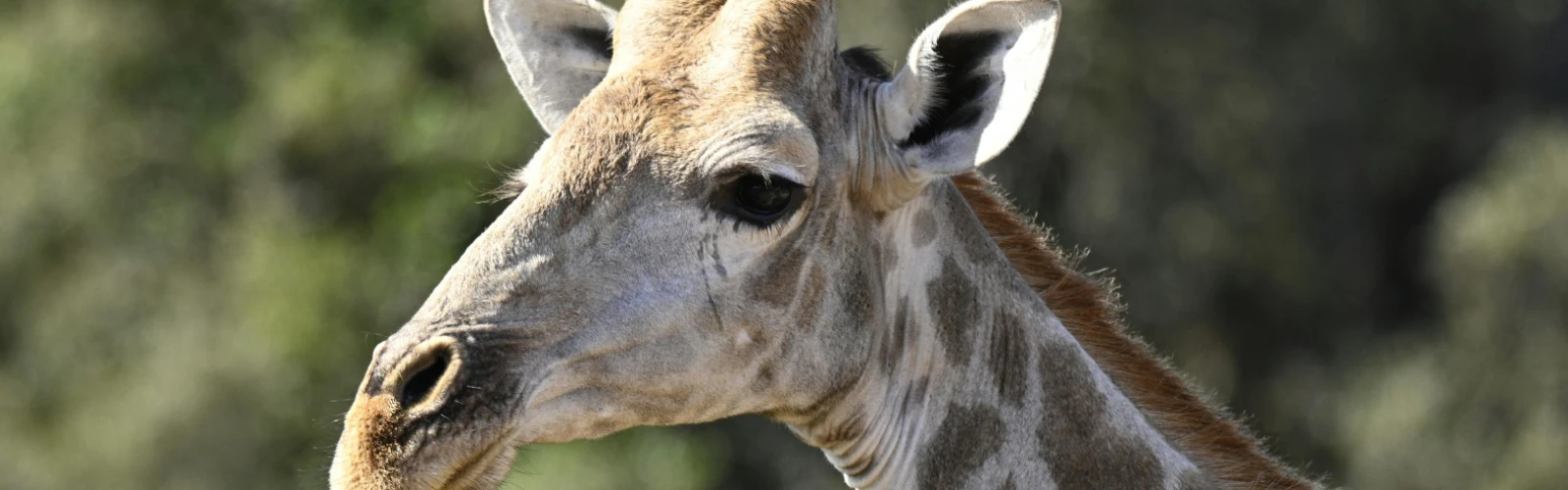
Best Wildlife Watching Spots in El Portal for Nature Lovers

Discover El Portal's Diverse Wildlife Ecosystem Near Yosemite National Park
Nestled near the western entrance of Yosemite National Park, El Portal is a hidden gem for wildlife enthusiasts seeking an authentic nature experience in California. Surrounded by towering canyon cliffs, lush pine forests, and the scenic Merced River, this peaceful community provides an ideal habitat for a remarkable variety of wildlife. Its unique location and easy accessibility make wildlife watching in El Portal an excellent activity for both first-time visitors and seasoned nature lovers.
El Portal sits where the Sierra Nevada foothills meet higher mountain ecosystems, creating a diverse natural environment that supports numerous plant and animal species. This ecological transition allows visitors to spot everything from colorful songbirds and birds of prey to mammals that thrive along forest trails and riverbanks. During the early morning hours, black-tailed deer are often seen grazing in open meadows, while dusk offers opportunities to observe more elusive nocturnal wildlife emerging from the surrounding woodland.
One of El Portal's greatest attractions is the opportunity to experience wildlife without venturing deep into the wilderness. Scenic overlooks, quiet roadsides, and riverside paths frequently provide excellent chances to see hawks soaring overhead, raccoons searching for food, squirrels darting through the trees, and a variety of native bird species. The Merced River further enriches the ecosystem by supporting fish, amphibians, insects, and the many animals that depend on these habitats for survival.
Whether you're carrying a camera, binoculars, or simply a love for nature, El Portal serves as an exceptional gateway to the incredible biodiversity of the Yosemite region. Its blend of accessible landscapes, thriving wildlife, and breathtaking scenery makes it one of the best destinations for wildlife watching in Central California.
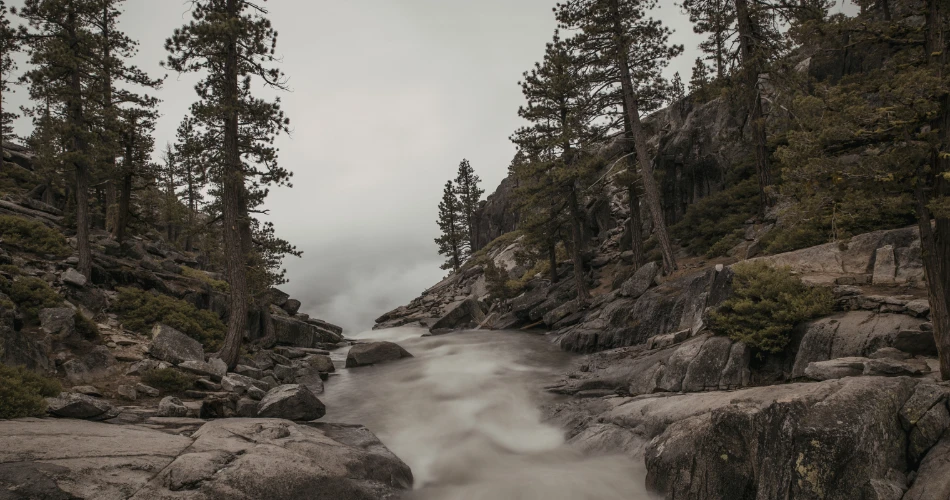
Best Time of Year for Wildlife Watching in El Portal
Choosing the right season and time of day can greatly enhance your wildlife watching experience in El Portal. The area's changing seasons influence animal behavior, migration, and feeding habits, giving visitors unique opportunities to observe different species throughout the year.
Spring is one of the best seasons to explore El Portal's natural habitats. As snowmelt feeds the Merced River and wildflowers begin to bloom, the landscape comes alive with activity. Migratory birds return to the region, waterfowl begin nesting, and mammals become more active after the colder months. Visitors often have the chance to spot black-tailed deer with their young, along with an impressive variety of birds near rivers, meadows, and forest edges.
Summer offers warm, sunny days and consistent wildlife activity. While temperatures rise during midday, many animals are most active in the cooler hours of early morning and late evening. This season is ideal for seeing butterflies, reptiles, squirrels, and numerous bird species along shaded trails, riverbanks, and wooded areas. The longer daylight hours also provide excellent opportunities for nature photography.
Autumn paints El Portal with vibrant shades of gold and orange while bringing increased wildlife activity. As animals prepare for winter, they spend more time foraging for food, making them easier to observe. Deer frequently gather in open meadows, birds migrate through the region, and many mammals become more visible before the colder weather arrives.
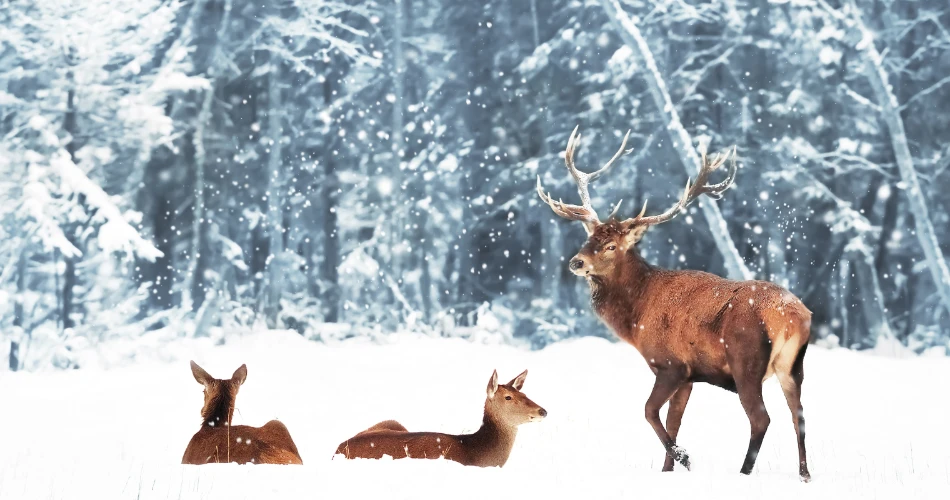
Winter provides a quieter but equally rewarding wildlife experience. Snow-covered landscapes create a peaceful atmosphere, and fresh animal tracks often reveal the presence of wildlife even when animals remain hidden. Coyotes, deer, and other larger mammals can sometimes be seen at lower elevations where food is easier to find, offering unique viewing opportunities for patient observers.
Regardless of the season, early mornings and just before sunset are the best times for wildlife watching in El Portal. During these cooler, quieter periods, animals are generally more active, increasing your chances of seeing wildlife in its natural habitat while enjoying the area's tranquil surroundings.
Exploring the Merced River: A Top Wildlife Watching Destination in El Portal
The Merced River is the heart of El Portal's natural landscape and one of the area's premier locations for wildlife watching. Winding through scenic canyons and surrounded by forests and rocky terrain, the river creates a thriving riparian habitat that supports an impressive variety of wildlife throughout the year.
The riverbanks are particularly lively during the early morning and evening hours when animals gather to drink, feed, or travel along the water's edge. Visitors may spot black-tailed deer grazing nearby, raccoons exploring the shoreline, and, on occasion, black bears passing through quieter sections of the river corridor. Bird enthusiasts will also find plenty to admire, with great blue herons, kingfishers, ducks, hawks, and other native birds frequently seen hunting, nesting, or soaring above the river.
Beyond larger wildlife, the Merced River provides an ideal environment for frogs, salamanders, and other amphibians, especially after seasonal rainfall. These smaller creatures contribute to a healthy ecosystem by supporting birds of prey, snakes, and other predators that rely on them as a food source.
Exploring the river is easy thanks to several designated viewpoints, scenic overlooks, and safe roadside pull-offs that offer excellent opportunities for wildlife observation. The soothing sounds of flowing water, combined with the songs of native birds and the peaceful forest surroundings, create an unforgettable outdoor experience for nature lovers.
The Merced River corridor is also a favorite destination for photographers. During sunrise and sunset, the changing light reflects beautifully across the water, creating stunning landscapes and increasing the chances of capturing wildlife in its natural setting. With its blend of diverse habitats, abundant wildlife, and breathtaking scenery, the Merced River remains one of the most rewarding places to experience the natural beauty of El Portal.
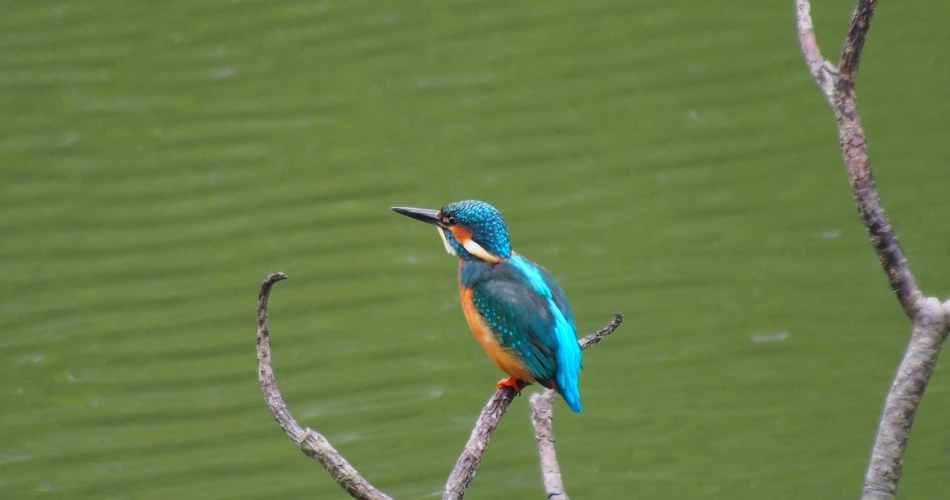
Best Birdwatching Spots in El Portal for Resident and Migratory Birds
Birdwatching is one of the highlights of visiting El Portal, offering nature enthusiasts the chance to observe a wide variety of bird species in a beautiful and diverse landscape. Thanks to its mix of forests, river habitats, and varying elevations, El Portal serves as an important stop along migration routes while also providing year-round homes for many native birds.
The wooded areas and forest edges are excellent places to spot colorful species such as Steller's jays, American robins, acorn woodpeckers, and other woodland birds. During the early morning hours, the forest comes alive with birdsong as birds search for food and move through the tree canopy, creating ideal conditions for birdwatching and photography.
Spring and autumn migration seasons bring even greater diversity to the region. Visitors may encounter warblers, swallows, flycatchers, and other migratory birds as they travel through the Sierra Nevada corridor. Birdwatchers should also keep an eye on the skies, where impressive raptors such as red-tailed hawks, peregrine falcons, and turkey vultures can often be seen soaring above the canyon in search of prey.
The scenic Merced River adds another dimension to El Portal's birdlife. Its riparian habitats attract water-loving species including great blue herons, belted kingfishers, ducks, and various shorebirds that rely on the river for food and shelter throughout the year. These peaceful riverbanks offer some of the most reliable birdwatching opportunities in the area.
For the best birdwatching experience, remain quiet, move slowly, and observe from a respectful distance to avoid disturbing wildlife. Bringing a pair of binoculars or a camera with a zoom lens allows you to enjoy detailed views of birds high in the trees or gliding across the canyon.
With its combination of dense forests, flowing river corridors, open cliffs, and seasonal migration routes, El Portal offers exceptional birdwatching opportunities, making every visit a chance to discover new species and experience the rich avian diversity of California's Sierra Nevada region.
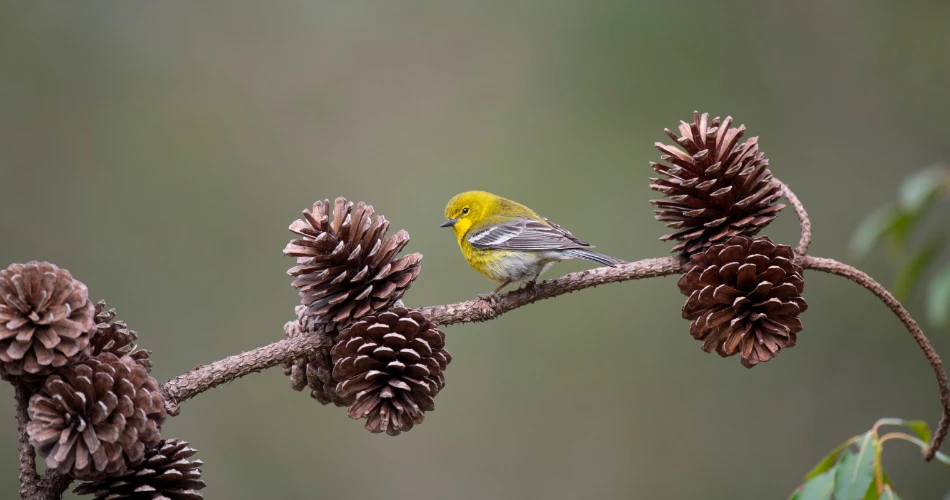
Mammal Watching in El Portal: Where to Spot Wildlife in Forests and Canyons
El Portal's forests, rocky canyons, and river valleys provide excellent habitat for a wide variety of mammals, making the area a favorite destination for wildlife enthusiasts and nature photographers. From large grazing animals to smaller woodland creatures, the region offers rewarding wildlife viewing opportunities throughout the year.
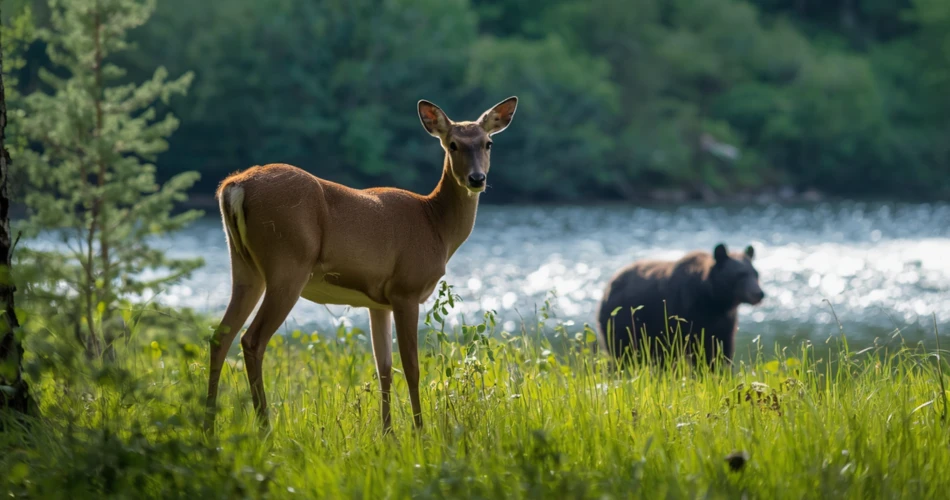
One of the most commonly seen mammals in El Portal is the black-tailed deer, often spotted grazing in open meadows, forest clearings, and along the Merced River during the early morning or late evening. These peaceful animals are among the easiest wildlife species to observe and photograph in their natural surroundings.
American black bears also inhabit the area, although sightings are less frequent due to their cautious nature. They are occasionally seen near forested river corridors or areas where natural food sources are plentiful. If you encounter a bear, admire it from a safe distance and never approach, feed, or attempt to interact with it. Respecting wildlife helps protect both visitors and the animals.
Coyotes are another remarkable species found throughout El Portal. Most active around sunrise and sunset, they can sometimes be seen crossing open terrain or heard calling through the canyon. Their adaptability allows them to thrive in forests, grasslands, and rocky landscapes, making them an important part of the local ecosystem.
In addition to larger mammals, El Portal is home to numerous smaller species, including chipmunks, squirrels, rabbits, gray foxes, and raccoons. These animals are commonly encountered along hiking trails and wooded areas during daylight hours. Their presence contributes to the area's rich biodiversity and often reflects the health of the surrounding ecosystem.
To enjoy the best wildlife watching experience, remain on designated trails, keep noise to a minimum, and observe animals from a respectful distance. Practicing responsible wildlife viewing allows mammals to continue their natural behaviors while helping preserve El Portal's remarkable habitats for future visitors.
Guided Wildlife Tours and Responsible Wildlife Watching in El Portal
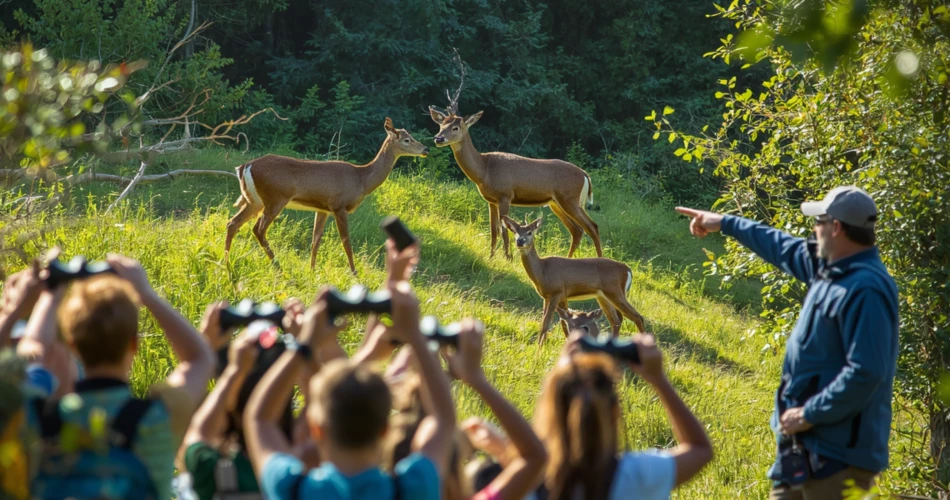
If you're new to wildlife watching in El Portal, joining a guided tour is an excellent way to explore the area's diverse ecosystems while learning from experienced local naturalists. Knowledgeable guides understand wildlife behavior, seasonal movement patterns, and the best locations for safe and ethical wildlife viewing, making your visit both educational and memorable.
Most guided wildlife tours take place during the early morning or late evening, when many animals are at their most active. These excursions often include visits to scenic locations along the Merced River, peaceful forest trails, and elevated viewpoints overlooking canyons where birds, deer, and other native wildlife are commonly observed.
Responsible wildlife viewing is essential to protecting El Portal's natural environment. Visitors should always observe animals from a safe distance, avoid feeding or approaching wildlife, keep noise levels low, and use binoculars or zoom lenses instead of getting too close. Respecting an animal's space helps reduce stress and allows it to continue its natural behavior without disturbance.
Following Leave No Trace principles also plays an important role in preserving the area's ecosystems. This includes packing out all trash, staying on designated trails, avoiding damage to vegetation, and respecting protected wildlife habitats and restricted areas.
Guides often share valuable information about seasonal wildlife activity, explaining how weather, food availability, and migration influence where and when different species can be seen. Understanding these natural cycles not only improves your chances of spotting wildlife but also deepens your appreciation for El Portal's unique biodiversity.
By combining expert guidance with responsible outdoor practices, visitors can enjoy unforgettable wildlife encounters while helping preserve El Portal's forests, rivers, and wildlife habitats for future generations of nature enthusiasts.
Wildlife Photography Tips for Capturing El Portal's Natural Beauty
El Portal offers exceptional opportunities for wildlife photography, thanks to its stunning canyon scenery, lush forests, and abundant native wildlife. Whether you're an experienced photographer or a beginner with a camera, capturing memorable images here requires patience, preparation, and a commitment to respecting the natural environment.
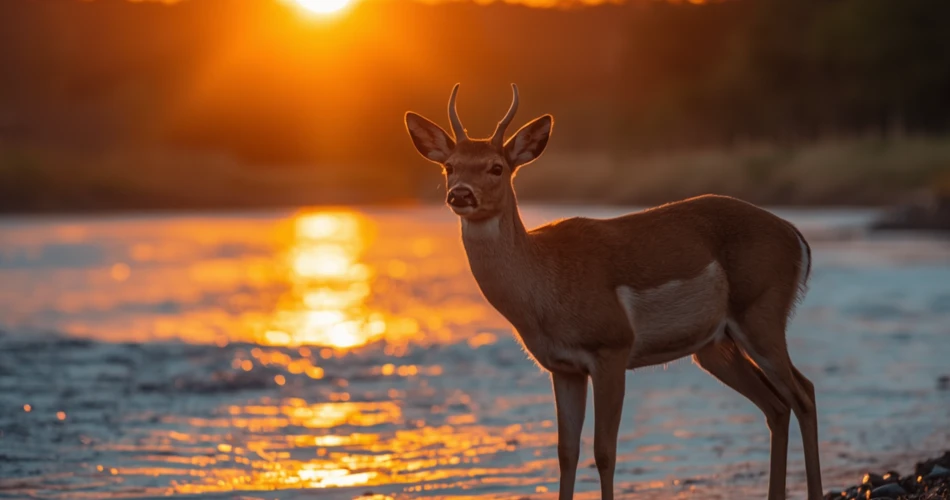
One of the best times to photograph wildlife is during the early morning or golden hour before sunset. The soft, warm light during these periods enhances colors, highlights natural textures, and creates beautiful contrasts across forests, rivers, and canyon landscapes. The changing light also adds depth and atmosphere to wildlife images.
A telephoto or zoom lens is highly recommended for photographing animals in El Portal. It allows you to capture detailed close-up shots while maintaining a safe and respectful distance from wildlife, especially larger mammals such as black-tailed deer and American black bears. Keeping your distance helps ensure the safety of both you and the animals.
Because many wildlife encounters occur in shaded forests or along riverbanks, maintaining camera stability is essential. Using a tripod, monopod, or image stabilization features can help produce sharp photographs in low-light conditions. Activating your camera's silent or quiet shooting mode also minimizes disturbances, allowing animals to behave naturally.
Thoughtful composition can make wildlife photographs even more compelling. Including natural features such as the Merced River, towering pine trees, rocky cliffs, or mountain backdrops helps tell a richer story and showcases the beauty of El Portal's diverse landscapes alongside its wildlife.
Above all, ethical wildlife photography should always come first. Avoid approaching, feeding, or attempting to attract animals for a better shot. Allow wildlife to move freely without interference, and never compromise an animal's well-being for the sake of a photograph.
By combining patience, proper equipment, and responsible photography practices, visitors can capture stunning images while helping preserve El Portal's remarkable wildlife and natural beauty for future generations.
Conclusion: Experience the Remarkable Wildlife of El Portal
Wildlife watching in El Portal offers an unforgettable opportunity to experience California's natural beauty in a peaceful and diverse setting. From the scenic Merced River and tranquil forest trails to dramatic canyon landscapes, the region provides excellent habitats for a wide variety of birds, mammals, reptiles, and other native wildlife throughout the year.
Whether you're watching birds soar overhead, spotting black-tailed deer grazing in open meadows, or exploring the area's changing landscapes across the seasons, every visit brings new opportunities to connect with nature. Located just outside Yosemite National Park, El Portal offers the same remarkable biodiversity while providing a quieter and more relaxed wildlife viewing experience.
Beyond simply observing animals, visiting El Portal encourages a deeper appreciation for the region's delicate ecosystems. Practicing responsible wildlife viewing, respecting natural habitats, and taking time to observe patiently help create meaningful experiences while supporting long-term conservation efforts.
For nature lovers, photographers, birdwatchers, and outdoor adventurers alike, El Portal remains one of California's best-kept secrets. Its rich biodiversity, breathtaking scenery, and peaceful surroundings ensure that every wildlife encounter is unique, making each visit a memorable journey into the heart of the Sierra Nevada wilderness.

About Author
Sarah produces creative and informative content based on her travel experience. She keeps her blogs up-to-date with the latest information.